

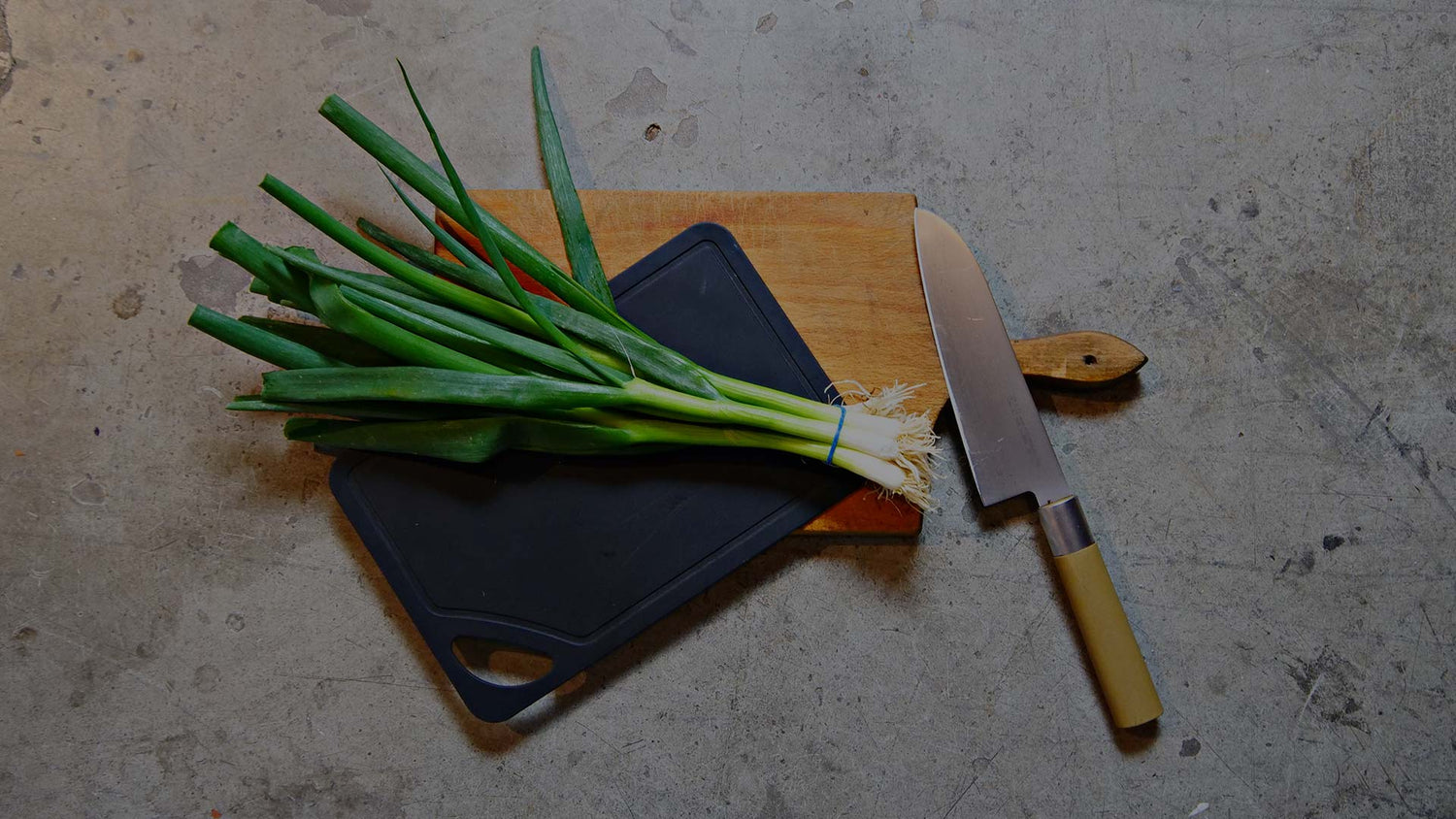
WOOD OR PLASTIC?
A brief presentation on the topic of hygiene.
INTRODUCTION
It is often said that wood is by far the more beautiful material, but plastic has the edge when it comes to hygiene.
After 2 years of intensive study of the subject, a pressing suspicion is slowly creeping in: This discussion is based on an understandable but nonetheless dramatic misunderstanding, and we believe it is time to take a clear stand.
NO TOLERANCE IN GASTRONOMY – THEREFORE UNHYGIENIC?
That professionals work exclusively with plastic boards – this eventually became known among hobby cooks as well and was interpreted to mean that plastic is more hygienic.
A plausible assumption, because chefs asked about this situation would likely give this as the reason for the exclusive use of plastic boards, but without the critical limitation: More hygienic – in the context of a PROFESSIONAL kitchen.
And here lies the crux of this debate:
What is valid in the context of a professional kitchen cannot be transferred without restrictions to private households. Rather the opposite, if you look at the matter in detail.
THE PLASTIC REGULATION – BETTER SAFE THAN SORRY.
To get straight to the point – this whole discussion originates from the regulations of health authorities for professional kitchens:
Anyone who produces food commercially for other people has a great responsibility for the well-being of their guests and must ensure by all means that the food is in a hygienically flawless condition – a completely understandable requirement.
That is why manual washing – that is, washing by hand using a sponge and dish soap – has generally been prohibited for several years now, with few exceptions, and the rule is:
All equipment that comes into direct contact with food (particularly critical: raw meat) must be cleaned in the dishwasher, because only at a constant temperature above 65° Celsius are pathogens reliably and repeatedly killed, and the tools are at least hygienic and clean on the surface.
This applies especially to cutting boards:
Where sharp blades are used, more or less deep cut grooves form in the cutting board depending on pressure and sharpness, regardless of whether it is wood or plastic. With each cut, the blade transports fibers and particles of the cut food that get stuck in the cut grooves, creating optimal living conditions for bacteria and potential pathogens. Through possible cross-contamination with other foods, this poses a real health risk to several people.
Cutting boards made of wood are fundamentally not suitable for the dishwasher: the combination of heat and aggressive cleaners causes the wood to become dry and brittle, the glue joints to loosen, and even solid wood boards to warp after just a few wash cycles, making them only usable to a limited extent.
Here a very relevant difference between plastic and wood is revealed:
Plastic can and must go in the dishwasher.
Wood should not go in the dishwasher, but it also doesn’t have to.
BECAUSE: WOOD IS ACTIVELY ANTIBACTERIAL.
Bacteria that enter the wood via the knife blade are actively neutralized by tannins contained in the wood and released with each new cut, which make the wood germ-free within a few hours.
It is also suspected that the porous and hygroscopic wood withdraws the moisture bacteria need to live.
Plastic boards do not have these tannins: bacteria & fungi can spread there largely undisturbed and find an ideal breeding ground in the food residues that also end up in the cut grooves.
Plastic is additionally (unlike the rather brittle wood) an elastic material; the resulting cut grooves close again behind the knife blade, trapping bacteria, moisture, and food residues, thereby preventing cleaning agents and sterilizing heat from reaching where they are needed – so the dishwasher actually works 100% reliably only on the surface.
And so a more nuanced picture of the situation slowly emerges: bacteria survive significantly longer on plastic boards, the dishwasher does not really reach the actually critical areas, and mold forms in the cut grooves.
Wooden boards are almost completely germ-free after thorough cleaning with hot soapy water and a pot scrubber by hand after a few hours – and remain so for many years.
BAN ON WOOD IN GASTRONOMY STILL MAKES SENSE
The above results naturally contradict the common practice in professional gastronomy at first glance: If plastic is actually less suitable as a material for cutting boards, and if more germs can be proven to be found on plastic boards – then why is wood banned and not plastic?
Of course, the context decides here as well. Different rules apply in the hectic everyday life of a professional kitchen than in the peaceful kitchen routine at home.
While the hobby cook scrubs their board diligently after cooking and oils it regularly, professional kitchens struggle with frequently changing staff. These are usually untrained temporary workers who often only do the tough job in the dishwashing area temporarily and are usually only rudimentarily familiar with the applicable hygiene regulations.
And that is why the wood ban in professional kitchens makes sense: plastic boards are not perfect, but they can at least be cleaned in the dishwasher, providing a reliable process with low error risk and consistently satisfactory results.
Wooden boards must be washed by hand as described above, which allows for a lot of variability in results.
+++
CONCLUSION: FINALLY TIME FOR A CLEAR DISTINCTION
Cutting board in the private household – reasons TO CHOOSE WOOD:
1. Wood is a natural material.
It is more ecological and healthier, looks beautiful, smells pleasant, and feels good.
2. Wood can be kept clean and hygienic for years with some background knowledge and a developed routine. There are increasing studies that, for the reasons mentioned above, recommend treating wood at least equally to plastic in terms of hygiene assessment in food processing (http://www.enius.de/presse/972.html).
(Of course, not every type of wood is equally antibacterial – walnut, oak, and pine lead here due to their high tannin content.)
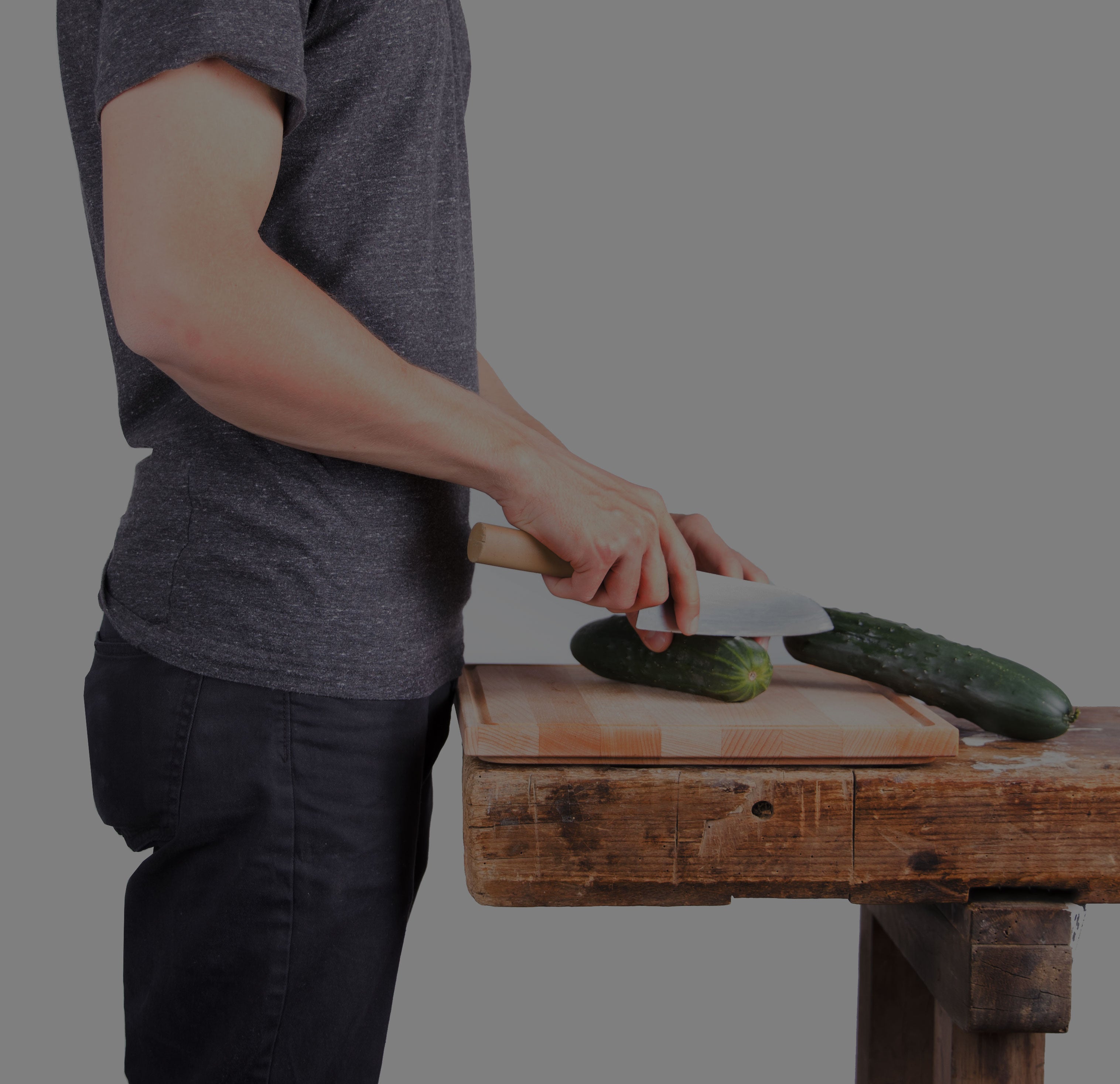
3. Plastic cutting boards are usually far too small to work on properly. Since plastic cutting boards need to go in the dishwasher to be hygienically acceptable, they must also fit in the dishwasher. Dishwashers for home use (unlike professional machines) are standardized for installation in standard built-in kitchens and are therefore all too small to accommodate and clean a properly sized cutting board.
Cutting board in the home kitchen – reasons TO CHOOSE PLASTIC:
1. Raw meat and raw fish can be contaminated with pathogens.
It is definitely advisable to process these foods on smaller, rather thin plastic boards and then put them in the dishwasher.
2. Aroma separation:
Garlic, onions, and chili are known for their very strong aroma, which easily transfers to other foods if work areas aren’t 100% clearly separated. Here, it’s also recommended to use the mentioned plastic board as a defined work area that can be cleaned in the dishwasher after use. Or you cut more delicate foods like fruit on a separate board.
Cutting board in the home kitchen – what’s really best now??
Our very personal recommendation:
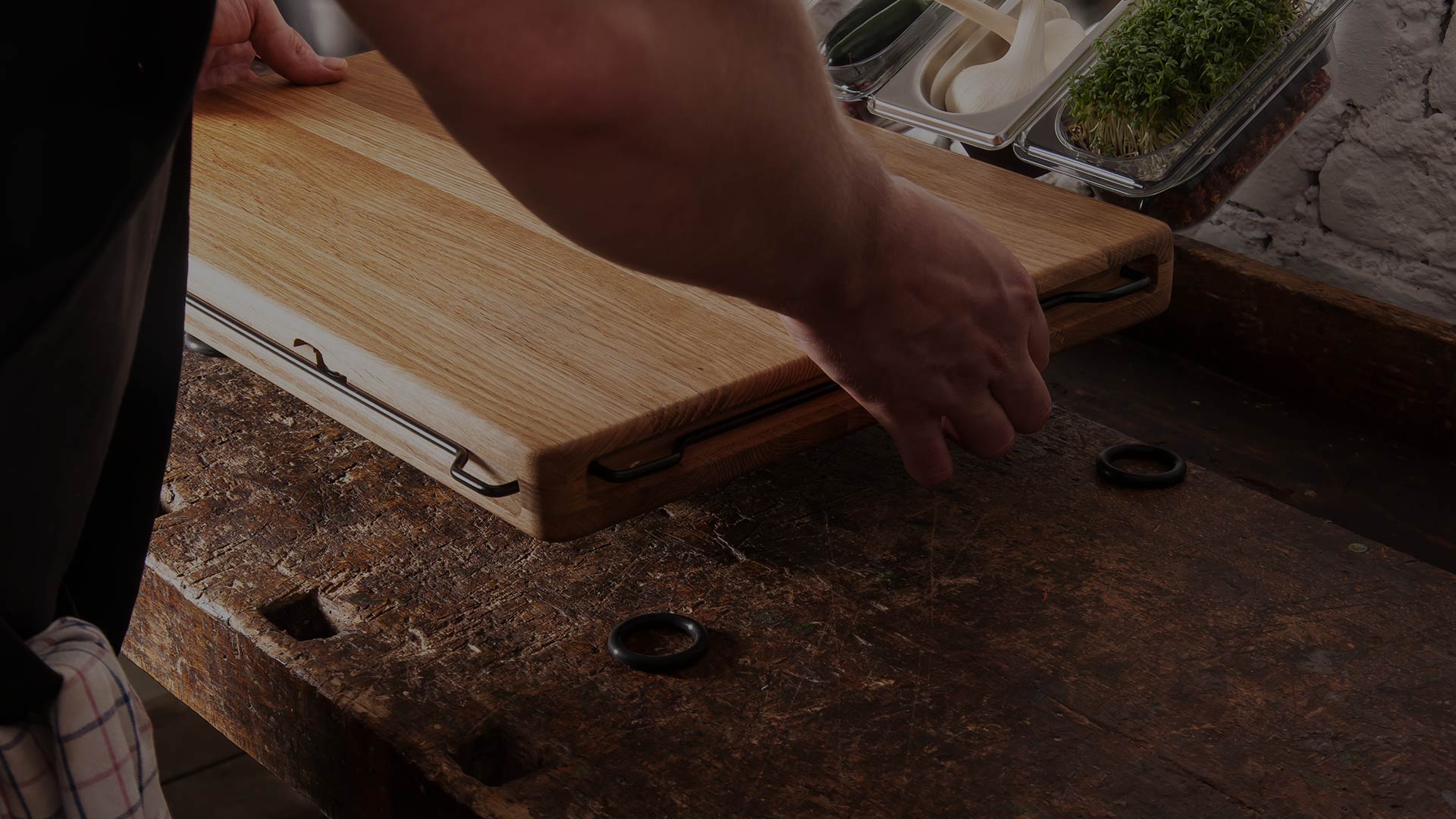
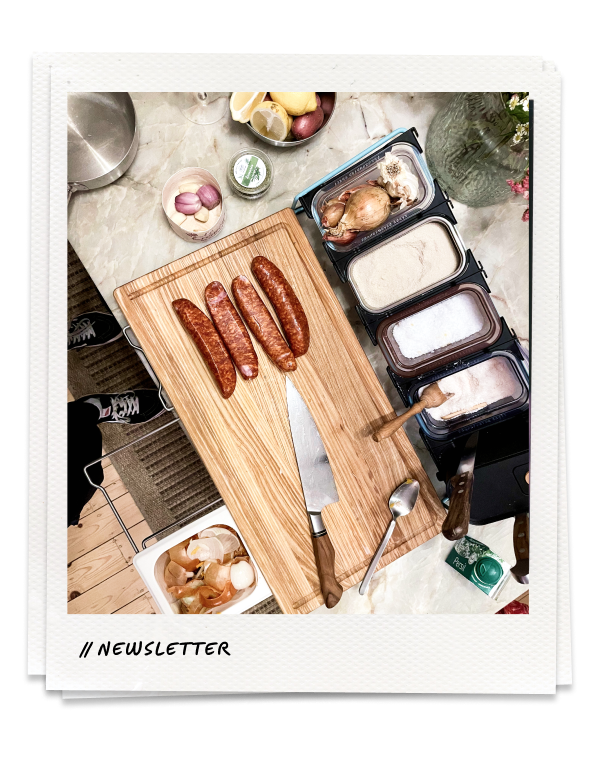
The best work is done on a nice large wooden cutting board,
which also offers enough workspace and storage area even for a radish or Chinese cabbage.
You can safely prepare all vegetables on this board.
Cleaning and care by hand.
If needed, you place our Easy Pads on them.
For meat and fish, it’s good practice to have separate plastic cutting boards ready and use them consistently.
Even with foods that have rather strong (garlic) or rather delicate aromas (fruit), it’s worth separating the work area to keep the aromas apart.
One thing is certain:
A disciplined, clean, and clear work routine can be tasted.
In this spirit - happy cooking!