

WOOD SCIENCE
Of course, there are differences between our types of wood. However, these are so minor that you can simply choose based on your aesthetic preferences—what you enjoy looking at daily in your kitchen.
By the way: Our INTERFACES help prevent possible cut marks or discoloration caused by food.
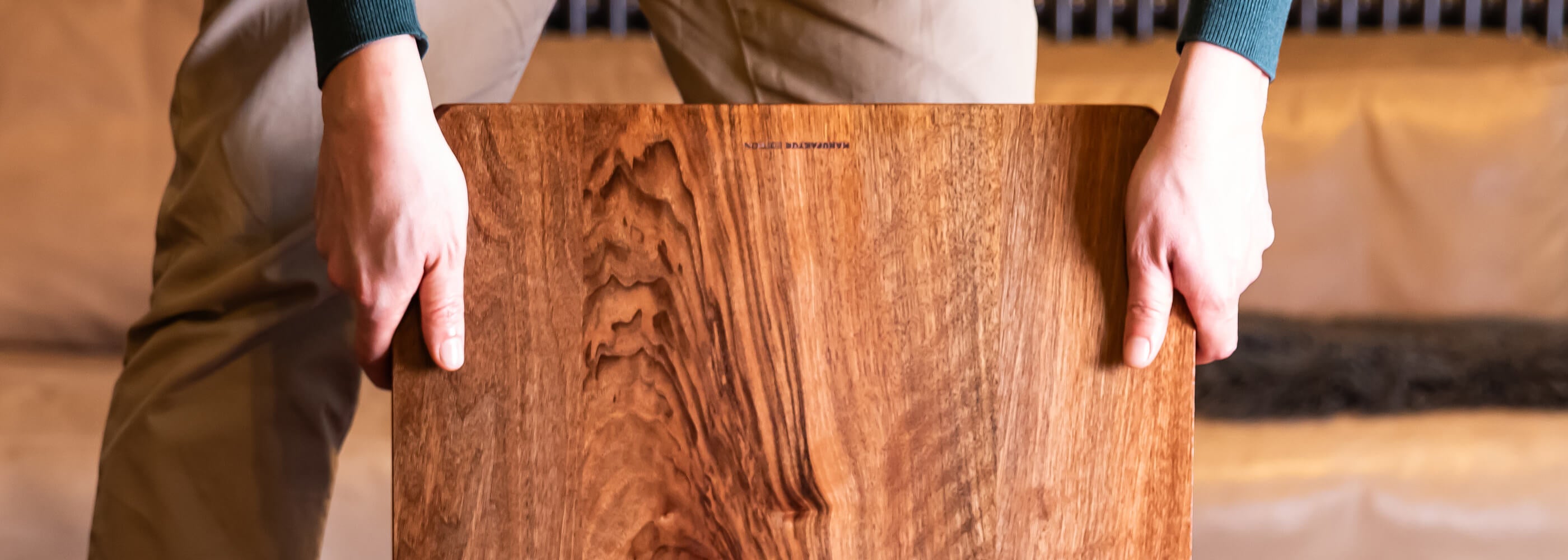
Important: The woods shown here are examples. As with all natural products, the appearance of your board may differ from the examples shown.
Europe
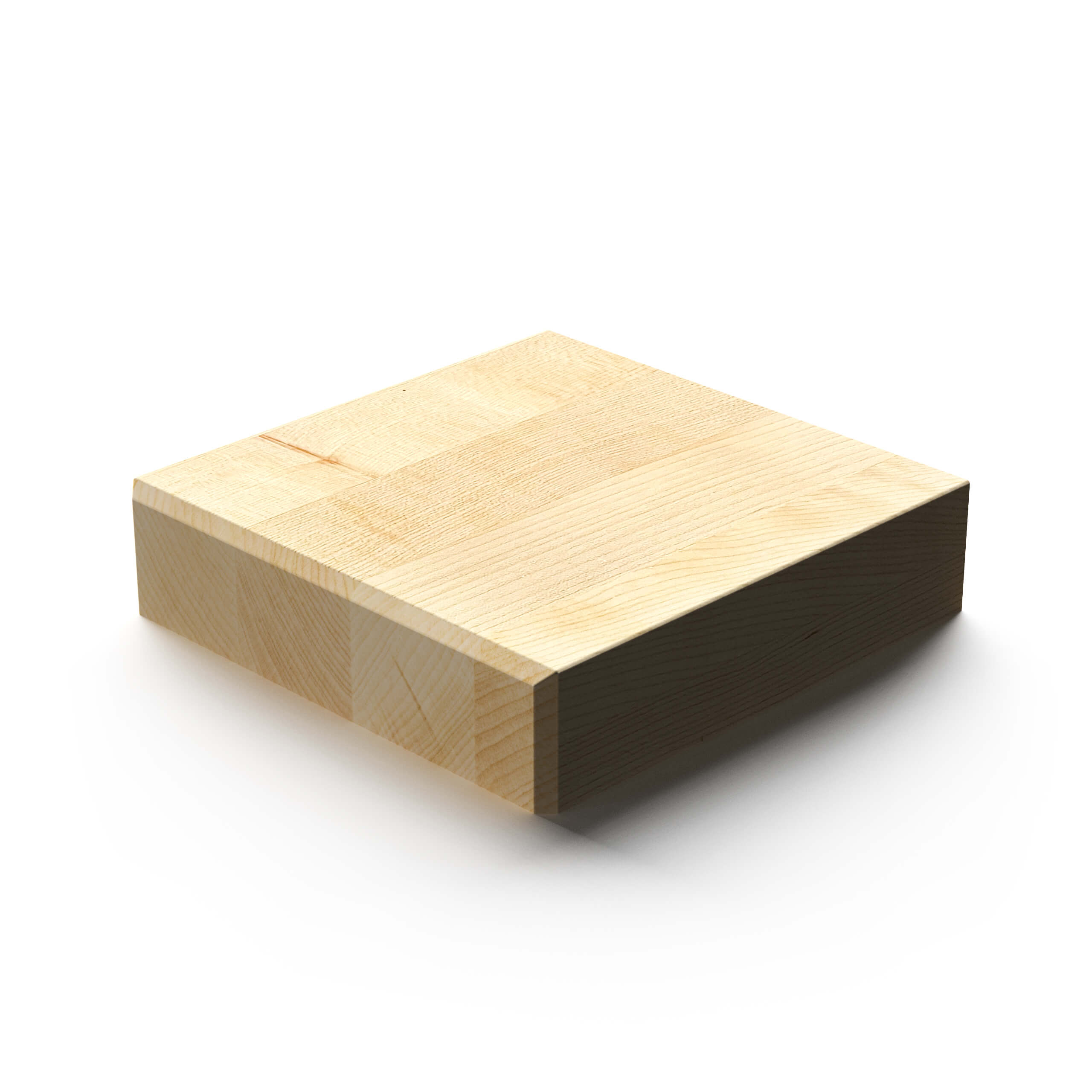
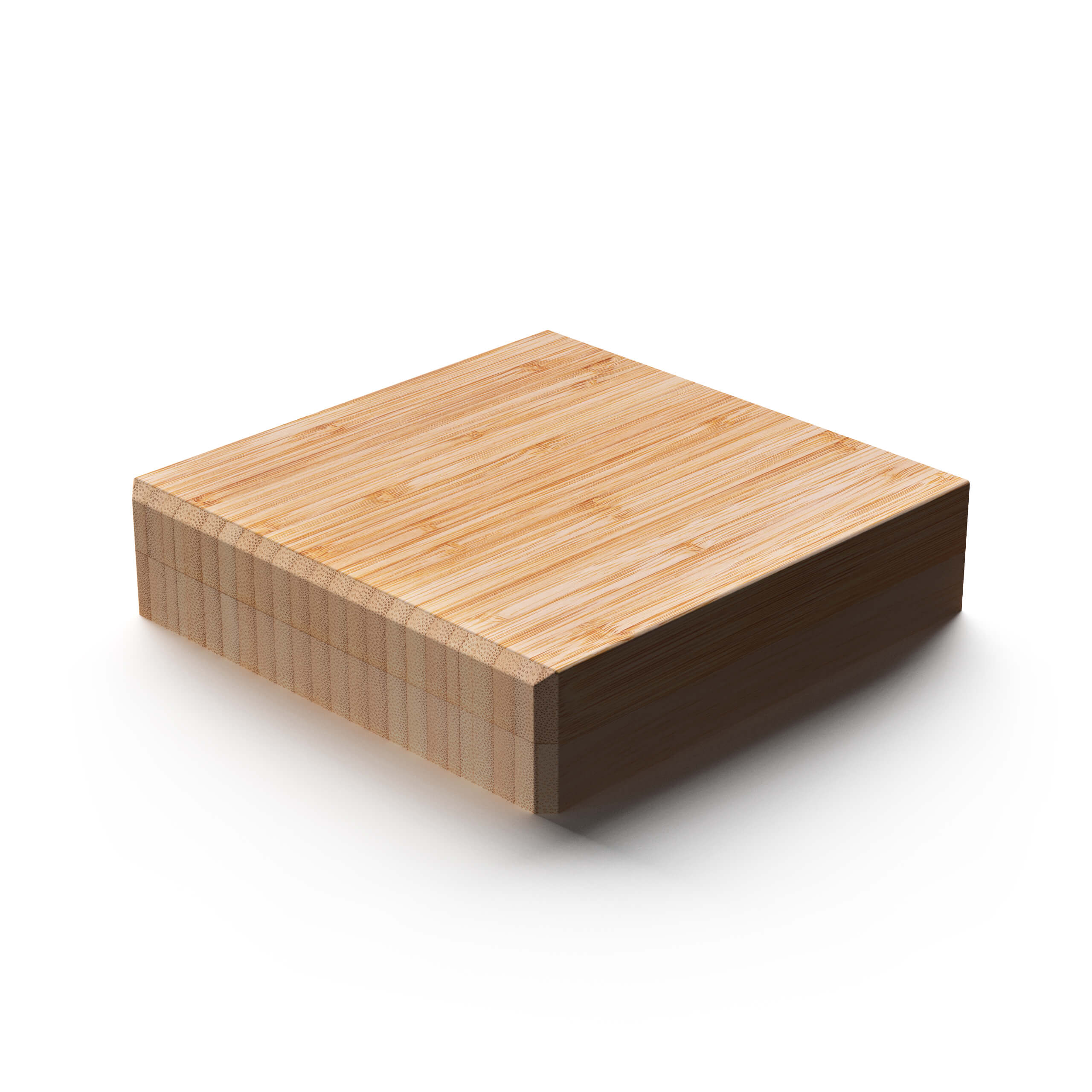
MAPLE
Maple is diverse and widespread in the temperate regions of North America, Europe, and Asia. The most important European species are the Norway maple and the sycamore maple.
The wood is used exclusively indoors due to its low natural durability and very decorative character. For a long time, selected sycamore maple wood has been used in musical instrument making as decorative and resonance wood for the production of plucked, bowed, and wind instruments as well as drum shells.
For household, play, and kitchen utensils, the fine pore structure and chemical properties of the wood are important, allowing even contact with food.
Advantages: Maple is light and has a fine, even grain. It is hard and durable without being too hard for knives. It is one of the most popular woods for cutting boards.
What to watch out for: Maple can easily stain if not cared for properly and needs to be oiled regularly.
China
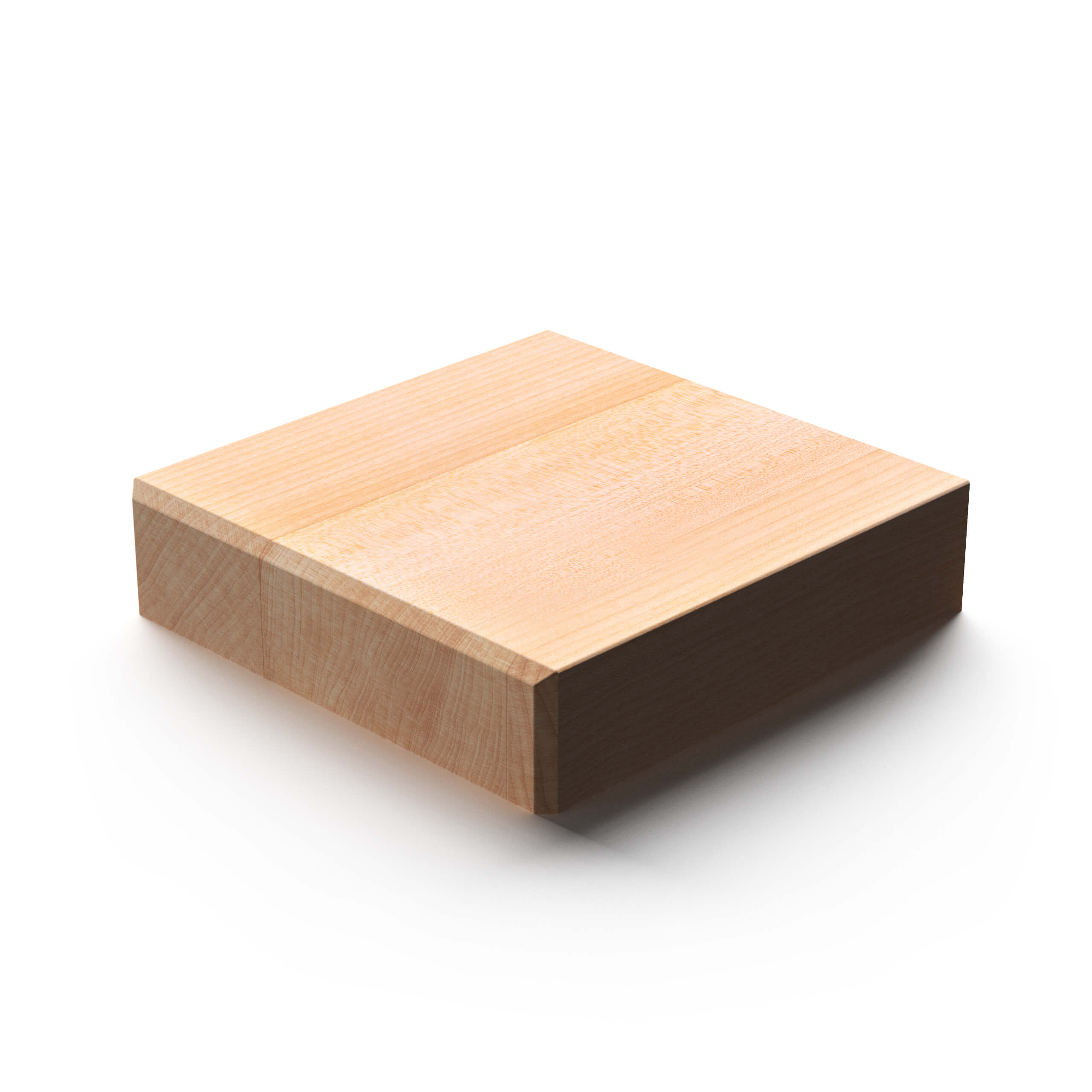
BAMBOO
Bamboo is botanically not classified as a wood plant but is a lignified grass from the Poaceae family. Nevertheless, it holds greater importance than wood as a building and material resource in many regions of Asia, South America, and Africa.
Some bamboo species are known for exceptionally fast growth and even surpass certain types of wood in their mechanical and technological properties.
Advantages: Bamboo is lightweight, sustainable, and naturally antibacterial. It is relatively hard and resistant to cuts. Technically, bamboo is not wood but a grass and requires less frequent oiling.
What to watch out for: Bamboo tends to dull knives faster, which may require more frequent sharpening. Our cutting surface provides a solution here.
Europe
BEECH
European beech is by far the most common deciduous tree species in Germany and parts of Western Central Europe.
The main use of beech wood is in furniture production. It is suitable for making hard and durable surfaces for heavily used furniture, especially children's and youth furniture, office furniture, and chairs.
Beech is also often used for smoking, as it is said to give food a rather spicy flavor compared to other types of wood.
Advantages: Beech is hard, durable, and has a uniform grain.
What to watch out for: Beech is prone to cracking if exposed to too much moisture and requires regular maintenance. It can also show discoloration if not cleaned regularly.
Europe
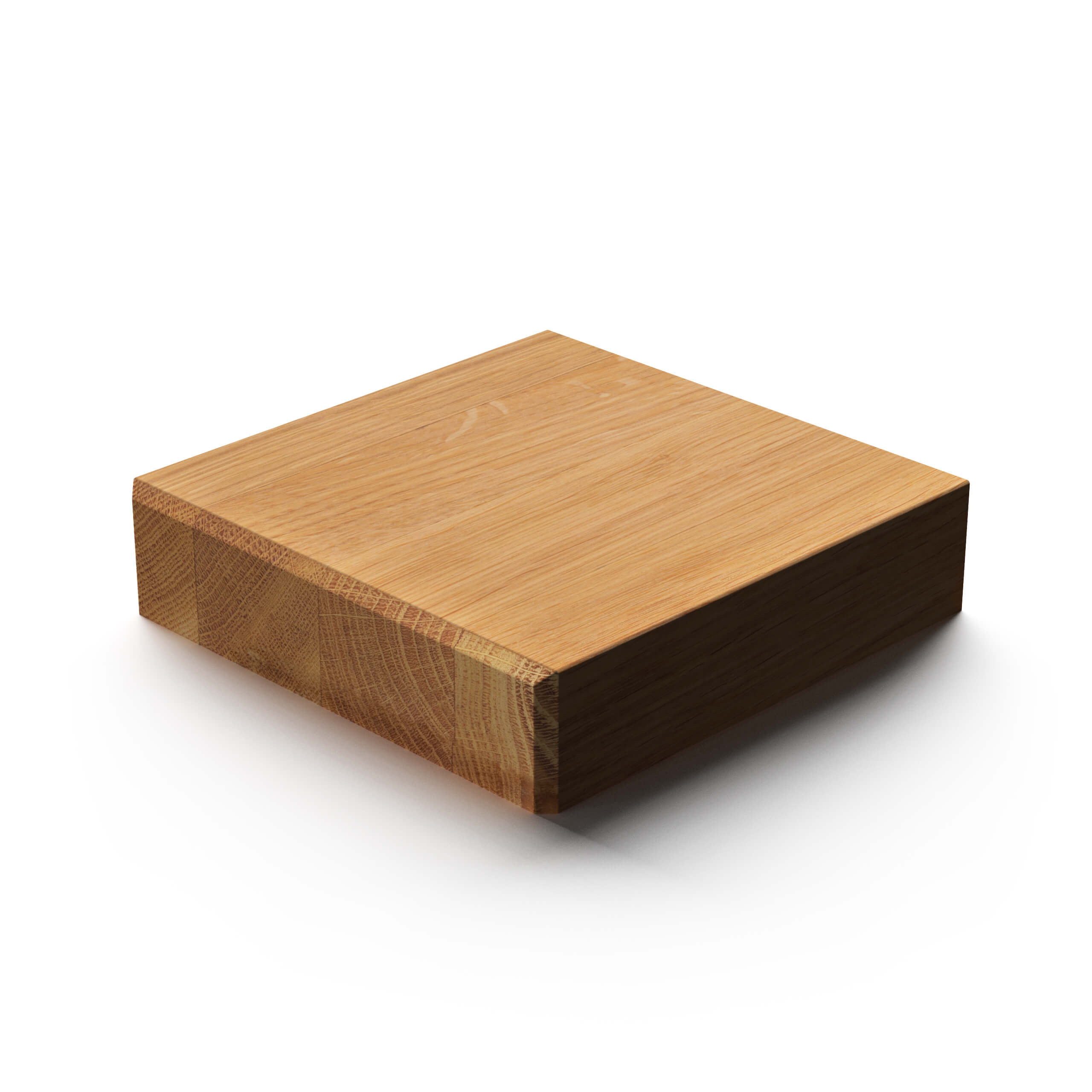
OAK
Oak is the second most common deciduous tree in Germany after the European beech and the most important deciduous tree genus in the Northern Hemisphere. Depending on the location and variety, an oak can reach a height of 30 to 50 meters and in some cases live for over 1000 years.
Advantages: Oak is extremely hard and durable, making it ideal for cutting boards. It has an attractive grain and is naturally resistant to moisture and possesses antibacterial properties.
What to watch out for: Oak wood can become porous and absorb moisture if not properly cared for, leading to warping. Oak has a very high tannin content. This is a natural component of almost all woods and serves to deter predators. However, tannin reacts with iron and can cause unsightly black stains on the board if an iron-containing knife is left on it. Unfortunately, these stains cannot be removed.
Europe
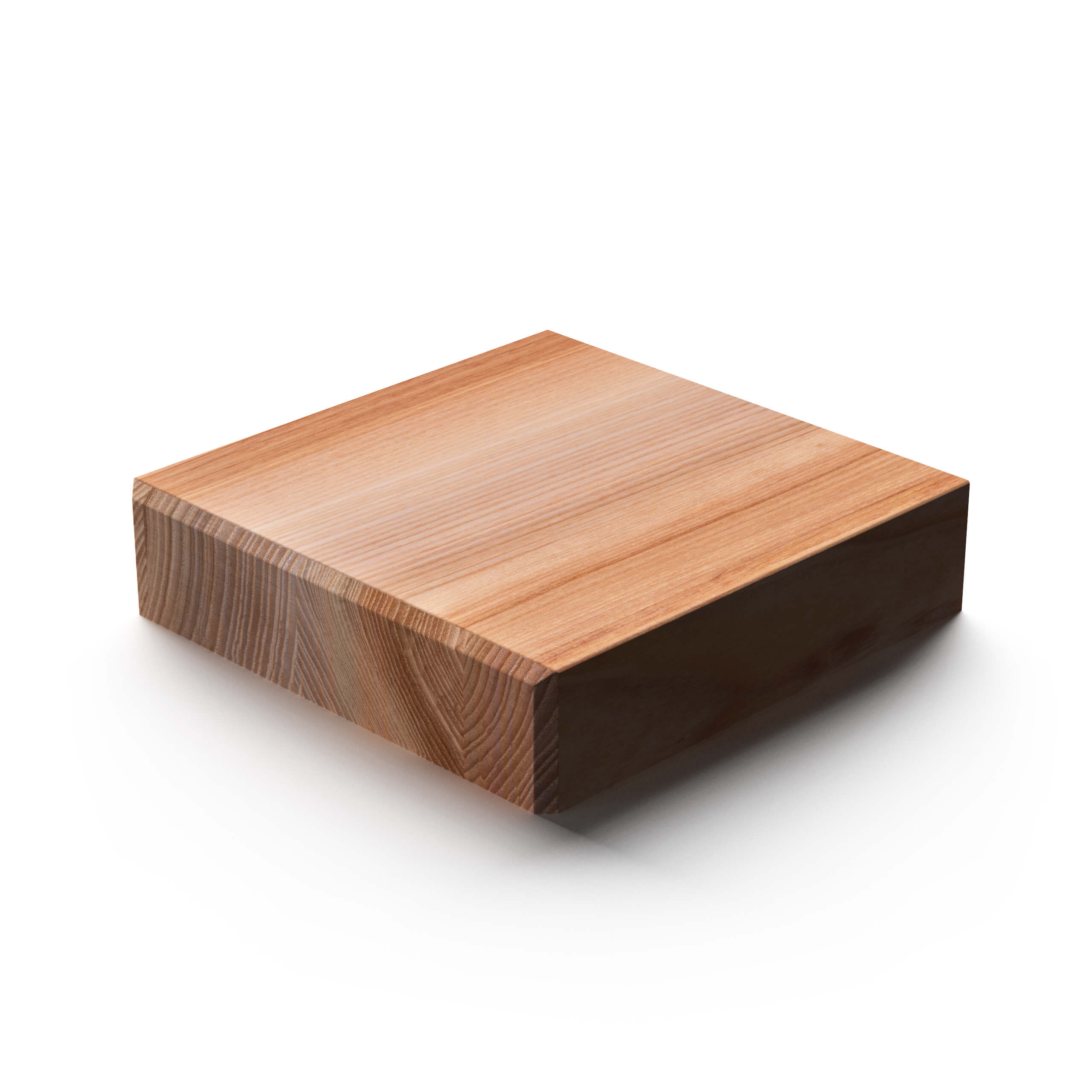
ASH
Ash trees are widespread throughout almost all of Europe and are especially common in the northern Alpine foothills, Poland, and the Baltics. Ash trees belong to the group of trees with facultative heartwood formation, where the sapwood and heartwood are light to slightly grayish and can exhibit whitish, yellowish, or white-reddish tones depending on the variation.
Ash wood is a heavy and also hard wood with favorable strength properties. It is elastic, abrasion-resistant, and tougher than most other European wood species. In early vehicle construction, it was therefore of great importance – until the 1920s, almost all car bodies were made from ash wood.
Advantages: Ash is hard and resistant to wear, with a beautiful grain that makes each board unique. It is also elastic and resistant to cracking.
What to watch out for: Ash can swell or warp with excessive moisture. Regular care is important. Metals can cause dark discolorations when combined with moisture.
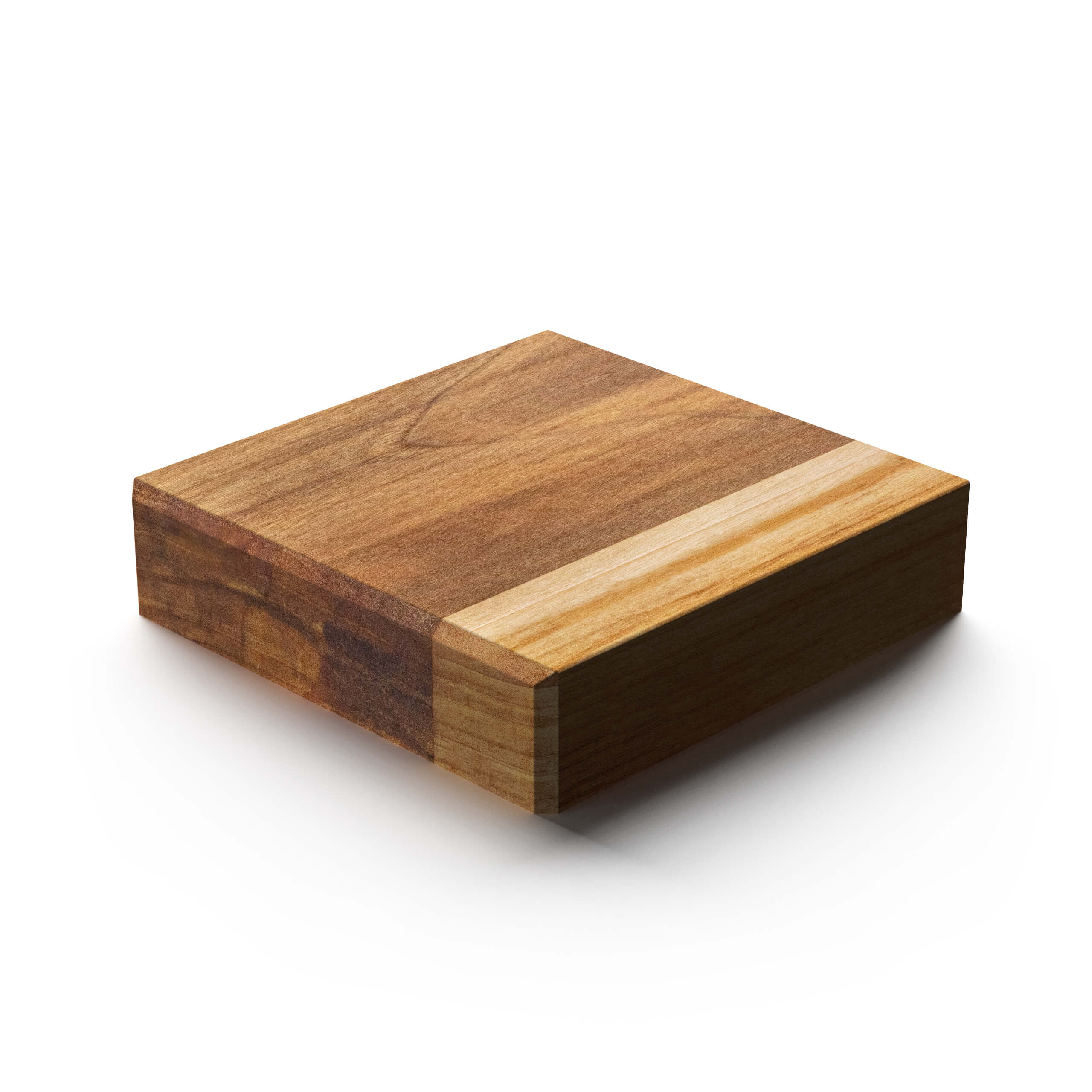
North America
SATINNUT
The satinwood, also known as Red Gum or Sweetgum, is characterized by its creamy, uniform sapwood and its reddish to dark brown heartwood. Within a single trunk, these shades can alternate, creating an impressive marbled effect. The combination of sapwood and heartwood results in a highly decorative appearance.
In addition to its use as wood, the resin, trunks, leaves, and fruits of the satinwood have medicinal applications. For example, some species produce a resin called Styrax, which was already used in ancient times for incense and as a remedy.
Advantages: Satinwood has a smooth texture and an elegant, dark color. It is sturdy and durable, yet gentle on knife blades.
What to watch for: This wood requires regular care to maintain its visual qualities.
Europe & America
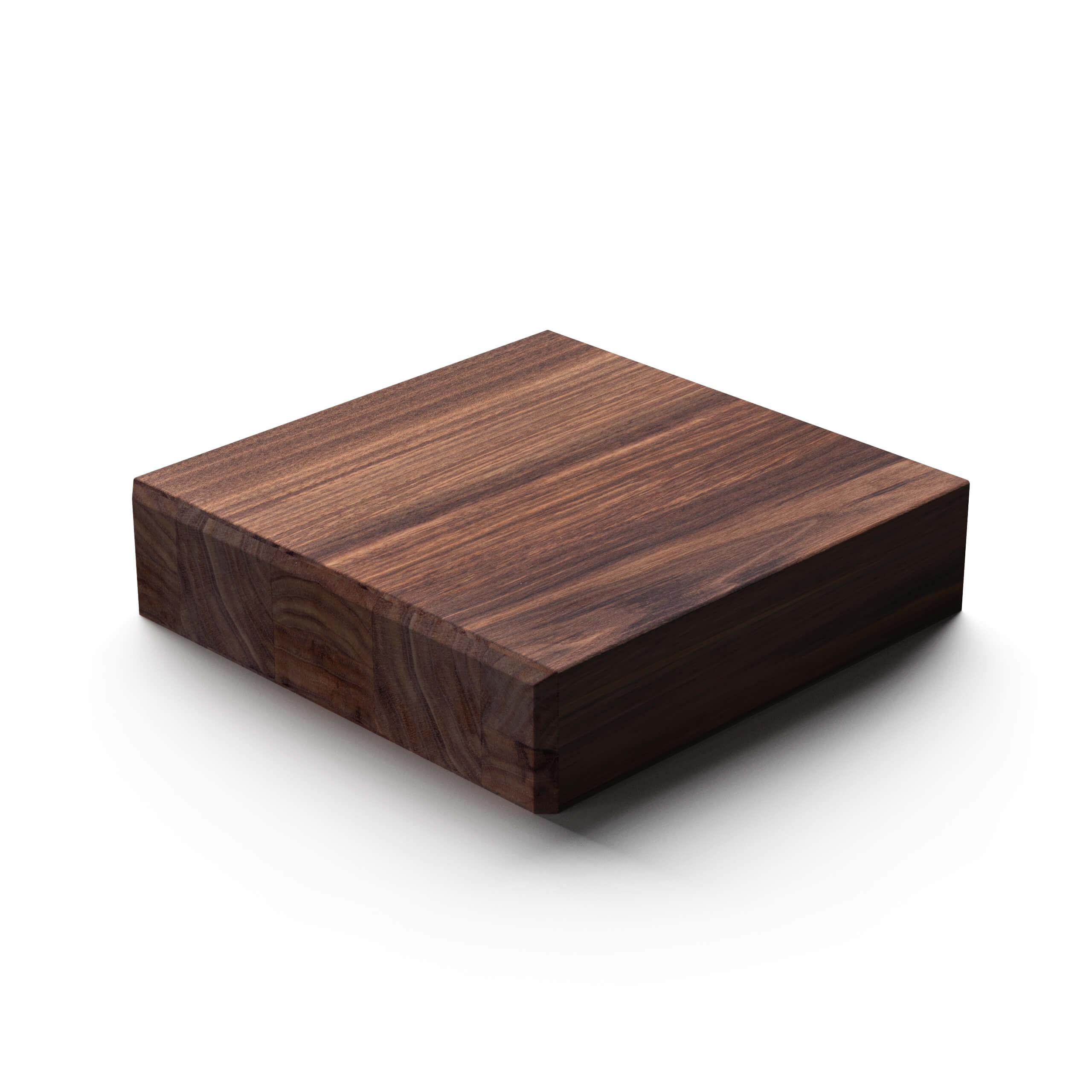
WALNUT
Walnut, belonging to the hardwood family, provides an exceptionally beautiful wood that has been one of the preferred luxury woods for centuries across all eras and styles. It is often even considered the most valuable among European hardwoods. Originally valued in Asia for its precious fruits, the walnut tree was brought to Europe in ancient times, where initially only its nutritious fruits were the focus. It was only under Charlemagne, around 800 AD, that large-scale cultivation of walnut trees began in Europe.
Advantages: Walnut has a beautiful, dark color and a lively grain. It is hard enough to withstand cuts but not so hard that it dulls knives.
What to watch for: Walnut requires regular care to maintain its color and texture. It is somewhat softer than other woods and can therefore scratch more easily.
STIRNHOLZ VARIANTS:
End grain wood, also called cross grain or end wood, refers to the surfaces of wood that are cut perpendicular to the longitudinal axis or grain direction. On these surfaces, the growth rings are visible as circles or circle segments.
We offer many of our wood types also as end grain variants.
End grain cutting boards are very resistant to cuts and cracks, which guarantees a long service life. Additionally, they are gentle on knives because the wood fibers give way, helping knives stay sharp longer.
Please note: End grain cutting boards require regular oiling and careful maintenance and are somewhat heavier.