

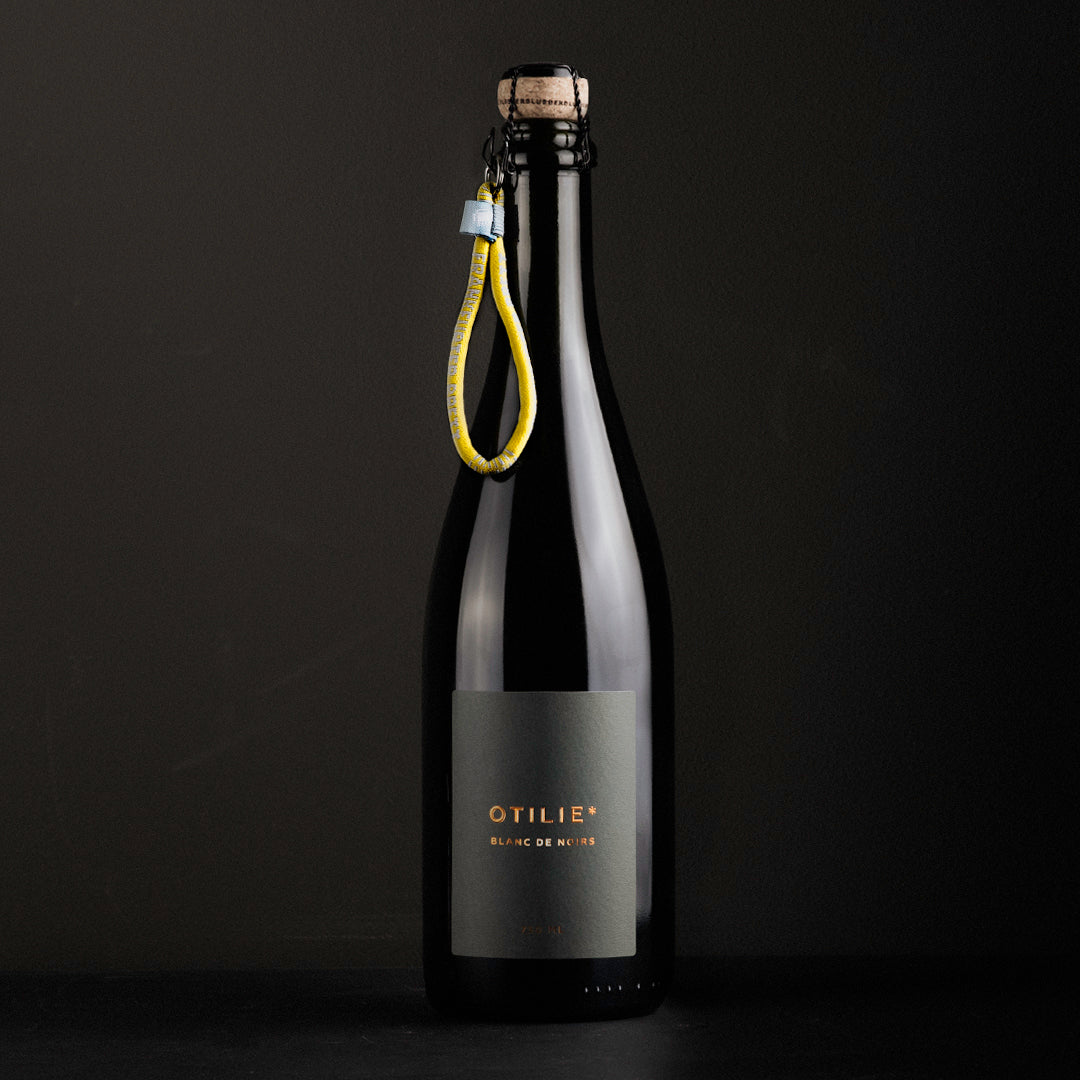
OTILIE* – SPARKLING WINE UNPLUGGED
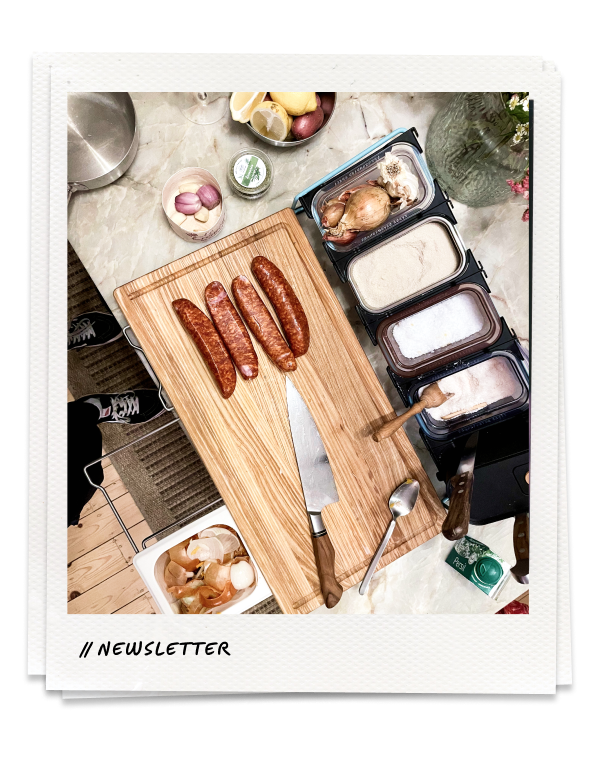
Anyone who knows us a little knows: We like good sparkling wine, especially as a companion while cooking. So it was actually obvious: We need a house sparkling wine. And a really good one at that. That’s the theory.
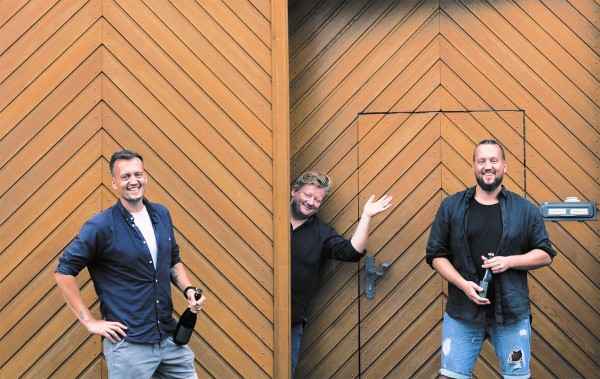
In practice, things came together harmoniously and easily: With Rüdiger Flik from the FLIK Sparkling Wine Manufactory in Mainz Laubenheim, we found an excellent partner for this exciting project. Together, we developed a limited special edition of Rüdiger’s BLANC DE NOIRS as BRUT NATURE.
The result is a high-quality and purist artisanal sparkling wine, full of intense aromas and complexity. At the same time, it is as easy-drinking and smooth as hardly any other sparkling wine we have had the pleasure to discover in our careers as sparkling wine and champagne enthusiasts.
The sparkling wine is made in a way defined by what you DON’T do, which is usually standard in the industry. Hence the working title "SPARKLING WINE UNPLUGGED".
Rüdiger Flik produces with organic certification, gives his excellent base wines as much rest as possible, and intervenes only minimally in the entire process. This requires foresight and a lot of experience. You can taste the success of this philosophy in every sip, which impressed us greatly.
For us, this is our favorite side project of 2020, with hopefully many more editions to come!
As always with our heartfelt projects, we look forward to your feedback: How did our first sparkling wine turn out? Write us your impressions at manufaktur@frankfurter-brett.de
Further down in the blog article, you will find details about the FLIK Sparkling Wine Manufactory, the production process, and some background knowledge on sparkling wine – for those just getting started with the topic.
We wish you lots of fun tasting – cheers!
Joseph, Johannes
& Team
P.S.: Otilie, Princess of Offenbach, is Joseph’s daughter and the first child of our family.
And now probably one of the few children with her own sparkling wine. She has earned it.
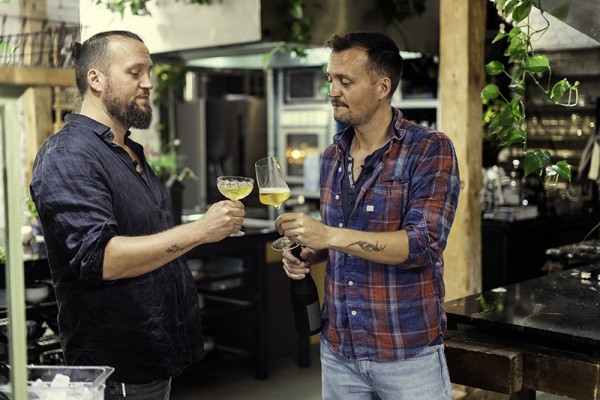
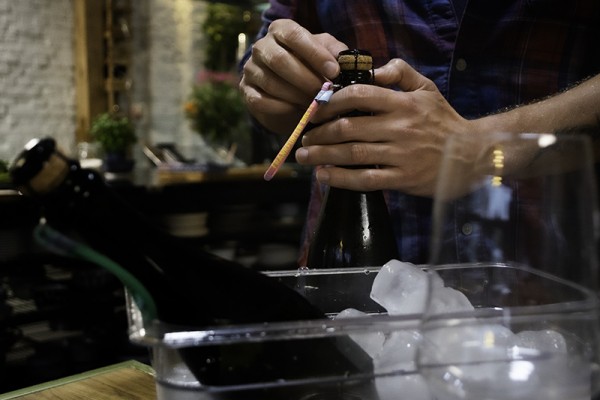
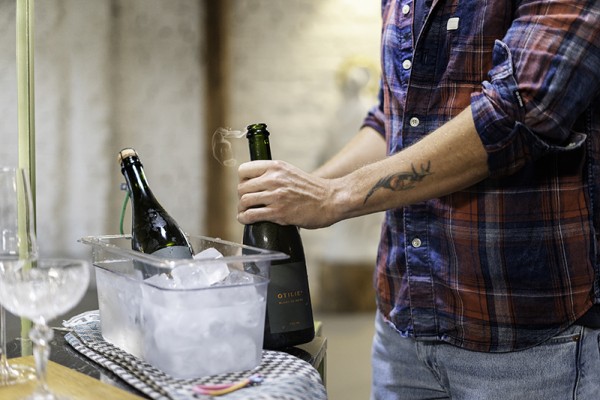
FLIK SPARKLING WINE MANUFACTORY
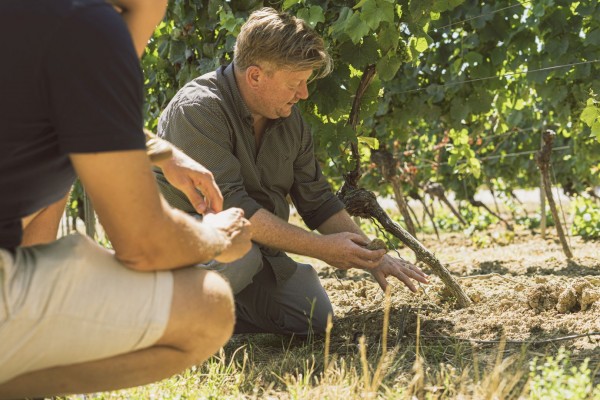
Rüdiger Flik produces his sparkling wine with organic certification, without any additives or fining agents: "We strengthen our vines, the soil, and the entire vineyard ecosystem through natural cover cropping." Between the Flik vines grow various wild herbs that serve as beneficial companion plants. They help with nutrient retention and enrich the soil life. "This means we need to use much less plant protection." According to Flik, this is a very important aspect in sparkling wine production: "The healthier the grape, the clearer the fruit you later recognize in the wine’s aroma."
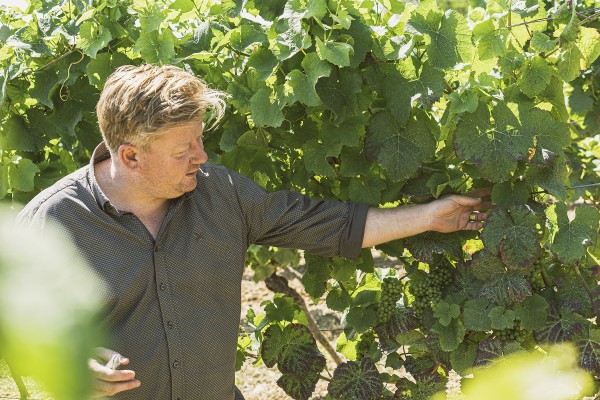
Rüdiger Flik is now known for his uncompromising sparkling wine, which is rarely found in this quality in Germany. Produced using the Champagne method, with traditional bottle fermentation and no additives. The base products are already of such high quality that all the sparkling wines are at least EXTRA BRUT. So they require almost no added sugar.
It’s no surprise that FLIK artisanal sparkling wines regularly outperform well-known Champagne brands in blind tastings. And as is sometimes the case – Rüdiger as a person is like his sparkling wine: straightforward without being banal, heartwarming, and simply sunny.
OTILIE* – Sparkling Wine Brut Nature
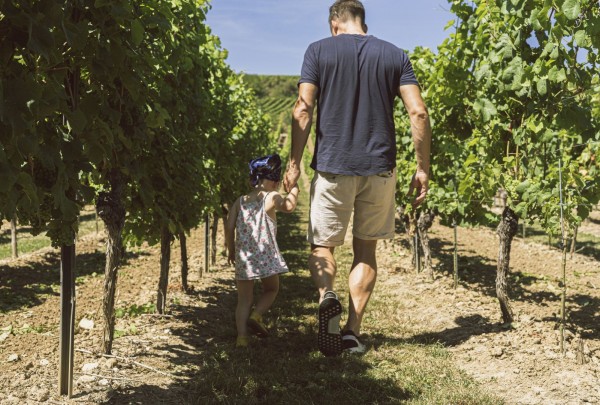
The vineyard from which OTILIE* comes is a 100% limestone site that produces finely fruity wines. The soil texture is very mineral, similar to what you find in Champagne. OTILIE’s grape is made up of 100 percent pure Pinot Noir and is characterized by intense aromas of orange and strawberry. "We focused on bringing out this natural aroma. This is supported by aging the wine in traditional barriques with micro-oxygenation. A fine and balanced acidity structure accompanies the whole," explains sparkling wine maker Flik.
OTILIE* is a so-called Sparkling Wine Brut Nature – it has a very low natural sugar content. Due to the high quality of the grapes, no potential weaknesses need to be compensated for in the subsequent sparkling wine refinement. This means that no sugar is added in the final production step. Instead, Flik preserves and enhances the existing aromatics through a natural and gentle refinement.
BACKGROUND
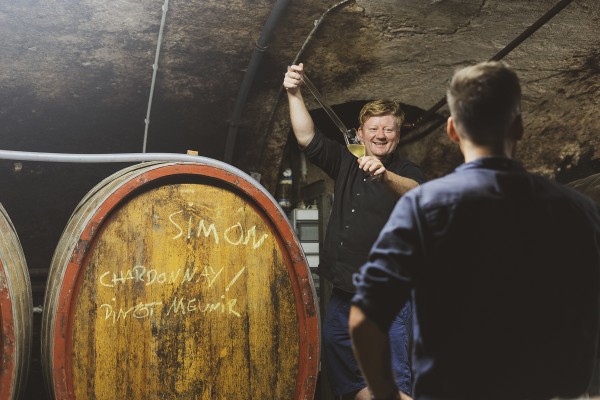
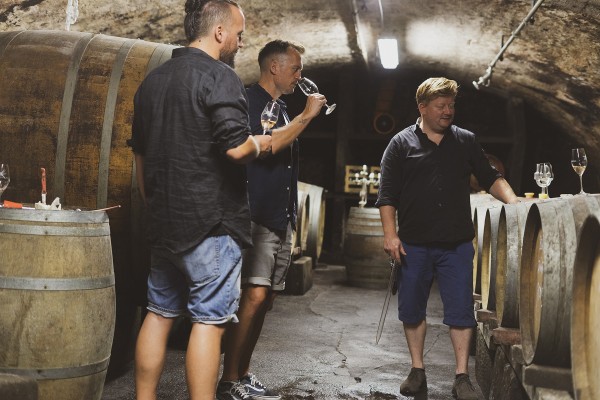
The FLIK Sparkling Wine Manufactory produces sparkling wine using the traditional Champagne method. The base wine is aged in barriques. After the harvested grapes are pressed immediately, the base wine is naturally sedimented for 24 hours and then filled into the barriques. There, the musts are inoculated with a selected yeast and ferment.
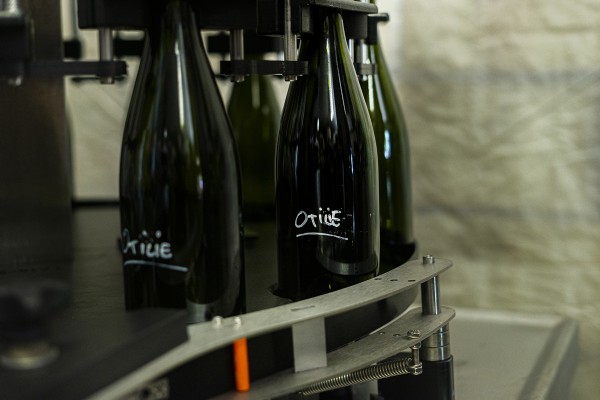
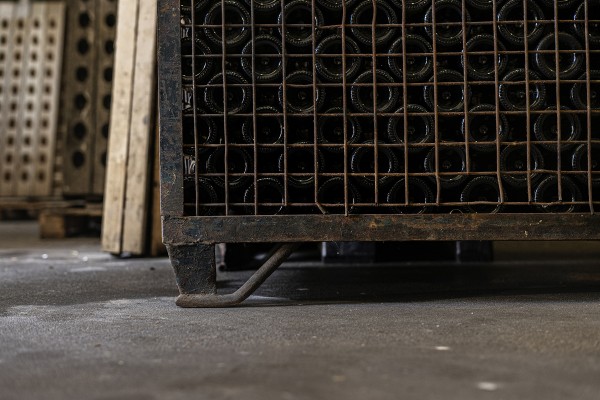
The secondary fermentation is semi-mechanically carried out at FLIK. The wine is refined by aging on the fine lees in wooden barrels and by maturation in the classic bottle fermentation process. The processed base sparkling wine is brought to the cool cellar for fermentation and aging, where it rests on the lees to achieve the desired mousseux after long aging.
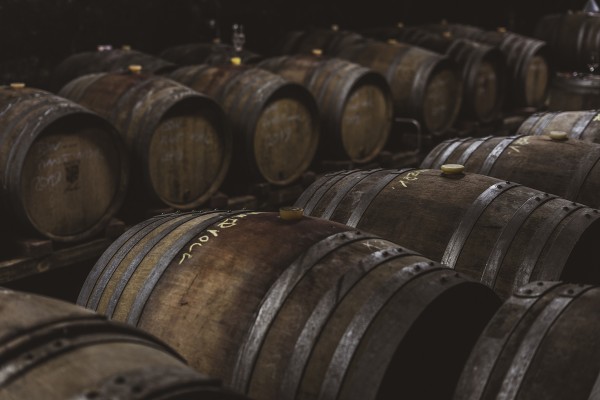

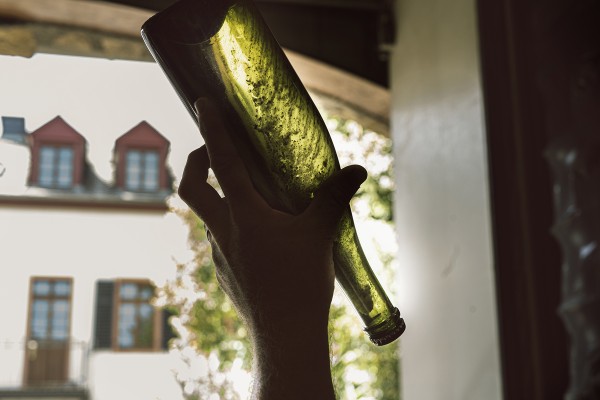
After alcoholic fermentation, in most cases a so-called malolactic fermentation follows, in which bitter malic acid is converted into softer lactic acid by bacteria. During this time, batonnage is used – a process in which the yeast in the barrel is stirred up. At this point, Rüdiger Flik can first assess the product and control the formation of diacetyl and acetaldehyde.
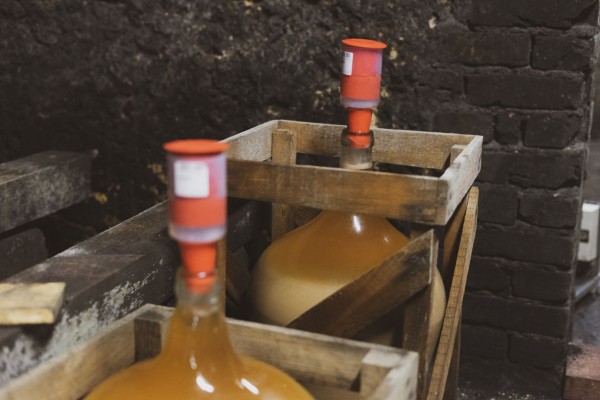
Other important aspects are controlled fermentation management and consistently cool storage conditions, which are available in the cellar of the sparkling wine manufactory. Here, the wines mature until May of the following year. Then further steps such as racking, staggered sulfuring, filtration, and microbial stabilization are carried out. Only in early summer are the base wines finally ready for secondary fermentation.
GLOSSARY
Racking is a cellar technique in which the clarified wine is separated from the sediment (dead yeast cells, undissolved parts of pulp and grape skins). It takes place after fermentation by pumping or draining the wine into another barrel.
+
Acetaldehyde is formed during alcoholic fermentation with the release of carbon dioxide as a precursor to the end product alcohol. Towards the end of fermentation, its amount usually decreases significantly. Acetaldehyde is present in all wines in normally small amounts and does not have negative taste effects in low concentrations.
+
Aging refers to all cellar work done between the end of fermentation and bottling of a wine. During aging, the wine develops complexity and structure. This maturation can take place in barrels, barriques, or tanks of various sizes depending on grape variety, quality, style, and wine tradition. Depending on the type, quality, potential, and vintage, the aging period can last from several weeks to years. The longer this maturation process lasts, the more costly it is.
+
Barrique is an oak barrel mainly used today for aging wine, but also whisky and beer. Usually, barrique barrels of 225 liters (Bordeaux ship measure) are used.
+
Batonnage is the process of stirring up the yeast that remains during barrel aging. This protects it from decomposition. During the storage period, the winemaker repeatedly stirs the young wine in the barrel. This movement clarifies the wine. Batonnage also makes the wine rounder and increases fullness and flavor. It is thus a process to improve wine quality during aging.
+
Brut Nature: Artisanal sparkling wine is, simply put, still wine that undergoes a second fermentation in the bottle by adding yeast and sugar. This creates carbon dioxide, which binds in the wine under pressure. Since the yeasts consume all the sugar during fermentation, the wine is effectively completely dry afterward. The yeast dies and is shaken into the bottle neck after aging and then ejected from the bottle. Some wine is lost in this process and is then topped up again. Usually, this is done with a mixture of sugar and wine – the dosage. When a winemaker produces a Brut Nature sparkling wine, they omit the sugar addition and top up the bottle with this sparkling wine instead.
+
Disgorging is the process where the yeast is shaken into the bottle neck after aging and then ejected from the bottle.
+
Diacetyl is an aroma compound formed in wine during malolactic fermentation by lactic acid bacteria reacting with citric acid. It also occurs in beer, butter, coffee, cocoa, and honey and imparts a buttery flavor. It is perceptible by smell and taste even at a dilution of 1:1,000,000.
+
Filtration cleans the young wine. This means that filters remove sediments and small particles from the wine. These substances are removed because they could trigger secondary fermentation after bottling.
+
Staggered sulfuring is a preservation method mainly used to extend the wine’s shelf life. Sulfur dioxide or sulfite formed in aqueous solution acts as the preservative.
+
Malolactic fermentation is the chemical conversion of malic acid into lactic acid. The process is also called biological acid reduction, bacterial malic acid degradation, or malolactic fermentation. It is carried out by the bacterium called “Micrococcus malolacticus” over 10 to 40 days.
+
Micro-oxygenation is a winemaking technique where small amounts of pure oxygen are added to the must or young wine to optimize the color or flavor development of the wine.
+
Mousseux is the French term describing the sparkling or foaming of the wine.
+
Sedimentation or sedimenting is the settling of particles from liquids or gases under the influence of gravity or centrifugal force. The resulting layer of suspended particles is called sediment, lees, or loose sediment.